

Your commitment to your health has been a defining part of your success. As you look towards the future, that same proactive mindset is your greatest asset in ensuring your quality of life remains high. A critical, yet often overlooked, component of this is your vision.
This guide provides an evidence-based framework for maintaining eye health with age, bridging the gap between medicine and nutrition. While some vision changes are normal, significant sight loss is not inevitable. With the right strategy, you can take powerful steps to nourish and protect your eyes for years to come.
Key Takeaways for Proactive Eye Health
-
Lifestyle is Key: Simple habits like wearing UV-blocking sunglasses, taking regular screen breaks (20-20-20 rule), and getting 7-9 hours of sleep are foundational for eye health.
-
Nutrition Matters: Specific nutrients like Lutein, Zeaxanthin, Vitamins C & E, Omega-3s, and Zinc are scientifically proven to protect eye structures and support vision.
-
Don't Skip Exams: A comprehensive dilated eye exam is the only way to detect serious conditions like glaucoma, AMD, and diabetic retinopathy in their earliest, most treatable stages.
-
Quitting Smoking is one of the most impactful steps you can take, as smoking doubles or triples the risk for conditions like cataracts and AMD.
What Are Common Age-Related Vision Changes?
As the body matures, so do the intricate structures of the eye. The crystalline lens, responsible for focusing light, gradually becomes harder and less flexible.[^1] Understanding these common, natural changes is the first step in a proactive health strategy.
-
Presbyopia: This is the clinical term for difficulty with close-up focus that leads many to need reading glasses. It occurs as the lens loses flexibility, making it harder to focus on nearby objects.
-
Increased Light Requirement: You may need brighter lighting to read comfortably because the pupils can become smaller and less responsive, allowing less light into the eye.
-
Slower Light/Dark Adaptation: Moving from a bright to a dim environment may require a longer adjustment period as the retina's photoreceptor cells can lose function over time.
While these changes are normal, a comprehensive strategy can support your eyes' overall health and function.
What Lifestyle Habits Support Healthy Vision?
Empowering yourself with daily choices that benefit your eyes is a cornerstone of long-term health. These science-backed tips can have a significant impact.
Protect Your Eyes From UV Exposure
Think of sunglasses as essential health equipment. Cumulative exposure to the sun's ultraviolet (UV) radiation can contribute to cataracts and other conditions. Always choose sunglasses that block 100% of both UV-A and UV-B rays.
Adopt the 20-20-20 Rule for Screen Time
To combat digital eye strain (dry eyes, headaches, blurred vision), practice the 20-20-20 rule: every 20 minutes, take a 20-second break to look at something at least 20 feet away.
Prioritize Regular, Restful Sleep
Sleep is when your eyes are continuously lubricated and repaired. A lack of sufficient rest can lead to dry, gritty, and itchy eyes. Aim for 7-9 hours of quality sleep per night.
Don't Smoke (Or Make a Plan to Quit)
Smoking significantly increases the risk of developing serious eye conditions, including cataracts and age-related macular degeneration (AMD). Smokers are two to three times more likely to develop cataracts than non-smokers.
Stay Active to Support Ocular Blood Flow
Regular physical activity is crucial for the tiny blood vessels that supply your retina with oxygen and nutrients. Consistent exercise helps maintain healthy blood pressure and circulation, which are vital for optimal eye function.
What is the Role of Nutrition in Maintaining Eye Health?
Just as certain nutrients are required for bone and heart health, specific compounds are scientifically shown to be vital for the eye's structure and protection.
-
Key Antioxidants: Lutein & Zeaxanthin act as "internal sunglasses," filtering high-energy blue light and protecting the macula from oxidative stress.
-
Food sources: Kale, spinach, collard greens, broccoli, and egg yolks.
-
Vitamin C for Cellular Protection: This powerful antioxidant helps defend the cells of the lens and retina from the oxidative damage that accumulates over time.[^10]
-
Food sources: Oranges, grapefruits, bell peppers, strawberries, and kale.
-
Vitamin E to Defend Healthy Tissue: Vitamin E protects the delicate fatty acids in the retina from being damaged by oxidation, supporting cellular structure.
-
Food sources: Almonds, sunflower seeds, peanuts, and avocados.
-
Omega-3 Fatty Acids for Retinal Health & Moisture: The omega-3 DHA is a major structural component of retinal cells. Omega-3s also have anti-inflammatory properties that can relieve symptoms of dry eye.
-
Food sources: Fatty fish like salmon, mackerel, and tuna, as well as walnuts and flaxseeds.
-
Zinc as a Helper Molecule Zinc is critical for transporting Vitamin A from the liver to the retina, where it's used to produce the protective pigment melanin.
-
Food sources: Legumes, seeds, meat, oysters, and dairy products.
Why Are Regular Eye Examinations Important?
The single most important, proactive step you can take is to schedule regular, comprehensive eye examinations. A dilated eye exam is the only way to detect serious conditions like glaucoma, diabetic retinopathy, and AMD in their earliest, most treatable stages. View your eye doctor as an essential partner in your healthcare team who can monitor your health and help you implement an integrative approach.
A Clinically-Smart Approach to Eye Health Nutrition
While a diet rich in colorful fruits and vegetables is the foundation, a targeted supplement can help bridge the nutritional gap.
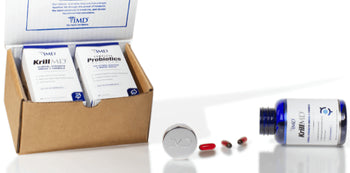
1MD Nutrition's VisionMD® was to deliver clinically effective dosages of key ingredients that support retinal and macular health. The formula provides a potent combination of carotenoids, including lutein from Lutemax® 2020, along with other powerful antioxidants and micronutrients to help nourish the eyes and support lasting visual performance.
Take Control of Your Eye Health
Your vision is invaluable. By understanding how to protect your eyes through proactive lifestyle choices, targeted nutrition, and regular medical check-ups, you are making a powerful investment in your long-term health and independence.